Login
Responsible & Practical Travel • ⏱️ 2 min read • Reviewed: Oct 2026

What Is Responsible Tourism?

💡
Quick Definition

Responsible tourism is an ethical travel ethos and operational practice that maximizes positive social and environmental benefits for local communities while minimizing negative cultural and ecological impacts.

Responsible tourism is an ethical travel approach and operational philosophy defined by the foundational Cape Town Declaration (2002) as “making better places for people to live in and better places for people to visit.” Rather than treating travel as an extractive consumer commodity, responsible tourism requires travellers, tour operators, hoteliers, and local governments to take direct personal responsibility for the environmental, economic, and cultural consequences of their journeys.

Key Pillars of Responsible Travel in Nepal

In a developing Himalayan nation possessing fragile alpine ecosystems and diverse indigenous cultures, practicing responsible travel is essential to preserve the destinations we love:

  • Economic equity: Ensuring travel expenditures directly benefit host communities rather than leaking entirely into multinational corporations. This includes hiring local licensed guides and porters, paying fair living wages, staying at family-operated teahouses and homestays, and purchasing locally grown food and handmade crafts.
  • Environmental stewardship: Adhering strictly to Leave No Trace outdoor principles, refusing single-use plastic water bottles in favour of reusable bottles treated with UV purifiers (SteriPEN) or filtration systems, and supporting renewable energy initiatives in remote mountain regions.
  • Cultural integrity and dignity: Respecting sacred traditions, seeking permission before taking portraits, dressing modestly when visiting religious monuments, and never treating human rituals as passive tourist entertainment.
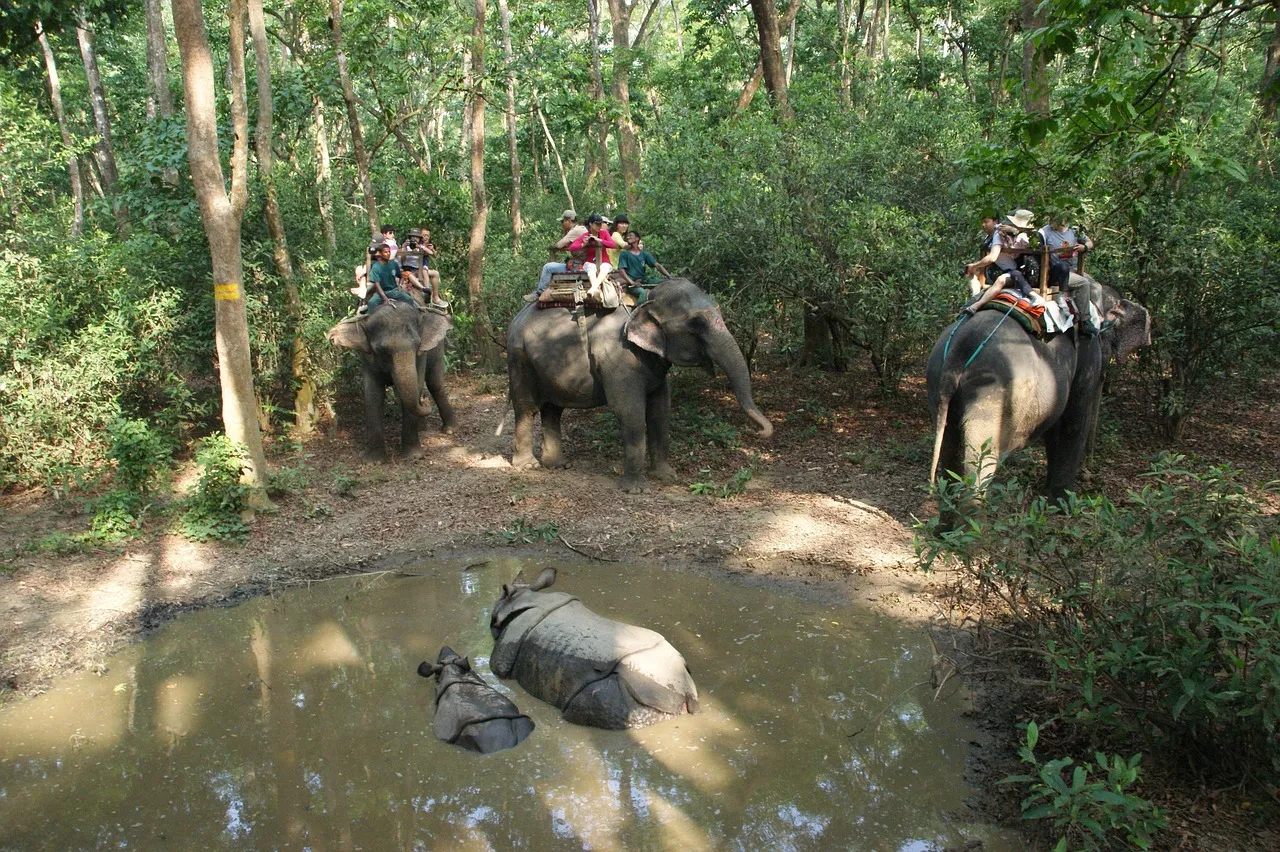
  • Animal welfare: Rejecting exploitative animal tourism, such as unregulated elephant rides, and supporting ethical, non-intrusive wildlife observation.

Prawaha Tours’ Commitment

At Prawaha Tours, responsible travel is embedded into our operational DNA through our formal Responsible Travel Policy. We guarantee fair wages, comprehensive mountain medical insurance, and strict 20kg load limits for all trekking porters, partner with community-based homestay cooperatives, and actively contribute to trail cleanup campaigns across Nepal’s national parks.

By travelling consciously, visitors ensure their journeys leave an empowering, enduring positive legacy for generations of Nepalese mountain communities.

Editorial Verification & Quality Standard

This article was researched, composed, and fact-checked by the Prawaha Editorial Team in accordance with reliable Nepalese tourism and conservation authorities. High-altitude safety information adheres to established Himalayan Rescue Association (HRA) and wilderness medicine guidelines.
Reference Records: Sources: Cape Town Declaration on Responsible Tourism 2002, Global Sustainable Tourism Council (GSTC) Criteria, Prawaha Tours Responsible Travel Policy.
← Back to Travel Glossary Index
Share this reference:
Experience It in Person

Explore Related Tours & Itineraries

Handcrafted journeys featuring the destinations, terrain, or cultural experiences explained in this guide.

Chitwan- Prawaha Tours & Travels (P) Ltd
Wildlife Tours Easy
Chitwan

Chitwan Jungle Safari Tours

Discover the natural beauty of Nepal’s Terai region on a Chitwan National Park tour. The park’s forests, grasslands and rivers provide a wonderful setting for encountering wildlife in its natural surroundings. During your visit, you may spot one-horned rhinoceros, wild elephants, deer, crocodiles and many species of birds, with the possibility of seeing the elusive Bengal tiger.The experience goes beyond wildlife viewing. Visit a traditional Tharu village to learn about local culture and everyday life, and enjoy a canoe ride along the Rapti River. A jungle safari by jeep offers another opportunity to explore the park, while an evening beside the river provides a peaceful way to finish your day in Chitwan.

3 Days / 2 Nts • 🏔️ 1,400m Price on Request
Details →
Annapurna Region
Mountain Journeys Strenuous
Annapurna Region

Annapurna Base Camp Journey

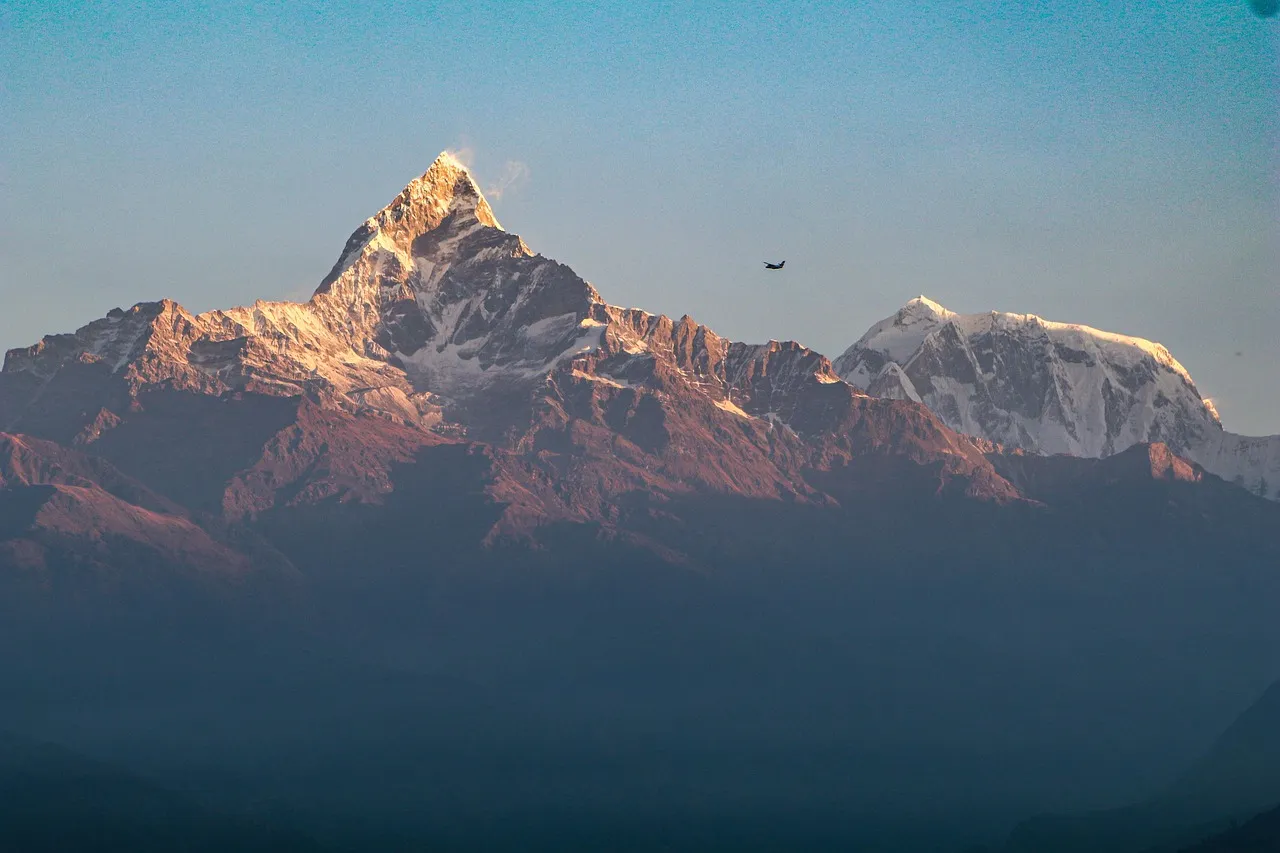
The Annapurna Base Camp Journey is one of Nepal's most rewarding Himalayan journeys, combining dramatic mountain scenery with the warmth and culture of mountain communities.The adventure usually begins in Pokhara before heading towards the foothills of the Annapurna range. The trail winds through traditional villages, terraced farmland, lush forests and peaceful rivers. As you gain altitude, the landscape gradually changes, revealing waterfalls, rocky trails, alpine meadows and increasingly impressive views of the surrounding mountains.Reaching Annapurna Base Camp at approximately 4,130 metres (13,549 feet) is the highlight of the journey. Surrounded by towering Himalayan peaks, you get an unforgettable close-up view of Annapurna South, Annapurna I and Machhapuchhare (Fishtail). Standing in the natural amphitheatre of the Annapurna Sanctuary is a moment many trekkers remember long after returning home.The journey is about more than mountain views. Along the trail, you pass through villages inhabited by Gurung and Magar communities, where traditional houses, local teahouses and prayer flags reflect the region's rich cultural heritage. Meeting local people and experiencing their everyday way of life adds another dimension to the experience.With a combination of varied landscapes, welcoming mountain communities and spectacular Himalayan scenery, the Annapurna Base Camp Journey offers an experience that feels both adventurous and deeply connected to Nepal.BEST SEASON FOR THIS JOURNEY:The best season for the Annapurna Base Camp (ABC) experience in Nepal is during the autumn (September to November) and the spring (March to May). Both autumn and spring are popular seasons for the Annapurna Base Camp Journey, and you can expect to encounter fellow nature lovers along the trail.

12 Days / 11 Nts • 🏔️ 4,130m Price on Request
Details →
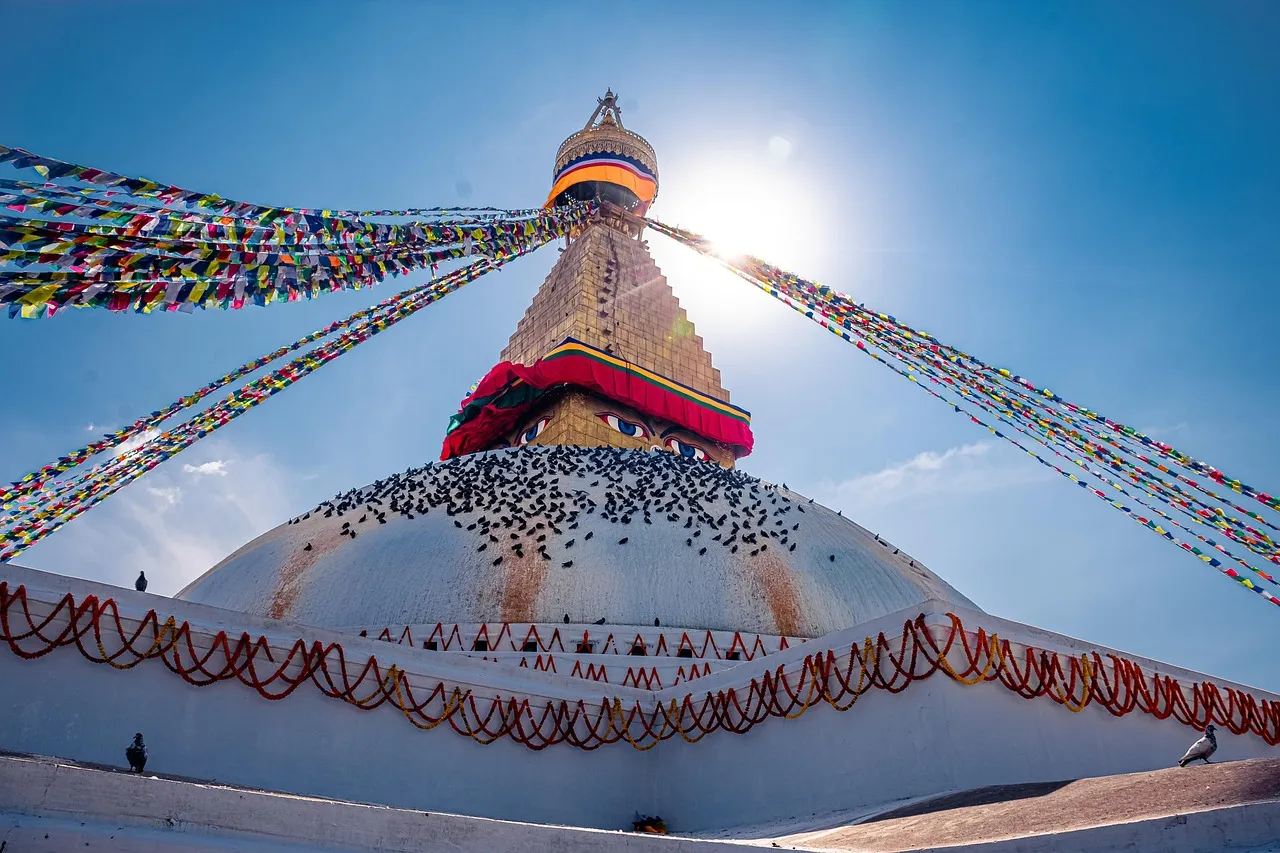
Boudha Stupa
Cultural
Kathmandu

Exploring Kathmandu

Seven UNESCO World Heritage monument zones inside one valley 20 km across, and the arrival point for almost every trip to Nepal. Kathmandu has been continuously settled since the 2nd century BC.

3 Days / 2 Nts • 🏔️ 1,460m Price on Request
Details →
In-Depth Travel Resources

Helpful Travel Guides & Regulations

Practical information, official permits, equipment checklists, and ethical guidelines for your Nepal trip.

Related Glossary Topics

Deepen your travel knowledge with interconnected mountain and cultural concepts.

Plan Your Custom Journey

Ready to explore Nepal with local experts?

Prawaha Tours designs private and small-group journeys tailored to your fitness level, schedule, and interests—with verified safety protocols and licensed local guides.

Compare Packages (0/3):