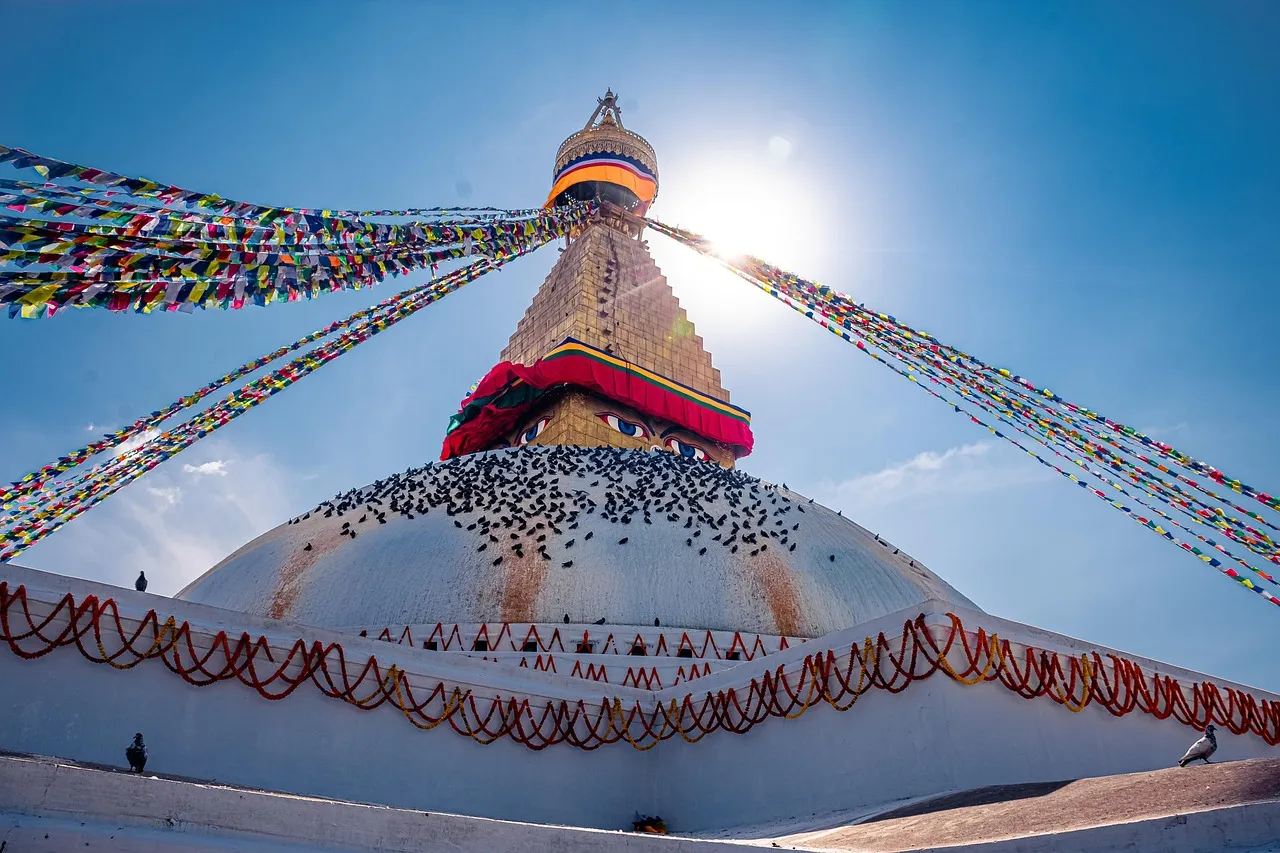
What Is a Living Heritage Site?
A living heritage site is a historic urban area, sacred complex, or landscape where original cultural traditions, religious rituals, and community life continue uninterrupted alongside modern existence.
A living heritage site is an architectural, spiritual, or urban landscape where ancient monuments and historic spaces are not frozen in time as passive museum curiosities, but remain actively inhabited, continuously used, and sustained by the local community through daily rituals, ceremonies, and economic life. In heritage conservation terminology, living heritage places equal emphasis on the intangible cultural expressions—rituals, festivals, artisanal crafts, and oral traditions—as it does on physical brick-and-mortar monuments.
Nepal as the World’s Preeminent Living Museum
Few places on Earth embody the concept of living heritage as vividly as Nepal. When travellers walk through Kathmandu, Patan, or Bhaktapur, they do not visit isolated archaeological ruins; they step into thriving medieval urban centers:
- A 1,000-year-old stone Licchavi chaitya sits not behind a protective glass vitrine, but on a neighborhood street corner where residents smear red vermilion powder and lay fresh jasmine blossoms during morning worship.
- Carved sunken water spouts (dhunge dharas) built by medieval kings still provide natural clean spring water to local residents carrying copper pitchers.
- Multi-tiered pagoda temples in Durbar Squares serve as open public verandas where elderly weavers spin cotton thread and youth gather after university lectures.
The Symbiosis of Tangible and Intangible Heritage
In living heritage ecosystems, tangible architecture and intangible rituals are completely interdependent. If the communal Guthi institutions and local artisans who rebuild festival chariots disappear, the temples themselves lose their soul and reason for being. Conversely, without the sacred temples and paved public chowks, traditional rituals have no consecrated stage.
Responsible Travel at Living Heritage Sites
Visiting a living heritage site requires mindfulness from international travellers:
- Respect private rituals and family prayer; never treat worship as an interactive performance or obstruct priests during puja ceremonies.
- Support traditional artisans directly by purchasing authentic handmade ceramics, thangkas, and metal crafts from local master workshops rather than mass-produced overseas replicas.
- Wear modest clothing that covers shoulders and knees when entering temple precincts and sacred courtyards.
Experiencing living heritage allows visitors to witness history not as a distant chapter in a guidebook, but as a vibrant, breathing reality that continues to enrich human civilization today.
This article was researched, composed, and fact-checked by the Prawaha Editorial Team in accordance with reliable Nepalese tourism and conservation authorities. High-altitude safety information adheres to established Himalayan Rescue Association (HRA) and wilderness medicine guidelines.