Login
Culture & Heritage • ⏱️ 2 min read • Reviewed: Oct 2026

What Is a Buddhist Stupa?

💡
Quick Definition

A Buddhist stupa is a hemispherical sacred monument embodying the enlightened mind of the Buddha, functioning as a focal point for meditation, circumambulation, and spiritual veneration.

A Buddhist stupa (known in Sanskrit as stūpa, in Nepali as chaitya or chorten in Tibetan) is an architectural monument that embodies the enlightened mind of the Buddha and the cosmic order of the universe. Originally emerging in ancient India as earthen funerary mounds housing the sacred relics of the historical Gautama Buddha and his monastic disciples, the stupa evolved in Nepal into a sophisticated, highly symbolic spiritual sanctuary designed for prayer, circumambulation (kora), and mindfulness.

The Sacred Anatomy of a Nepalese Stupa

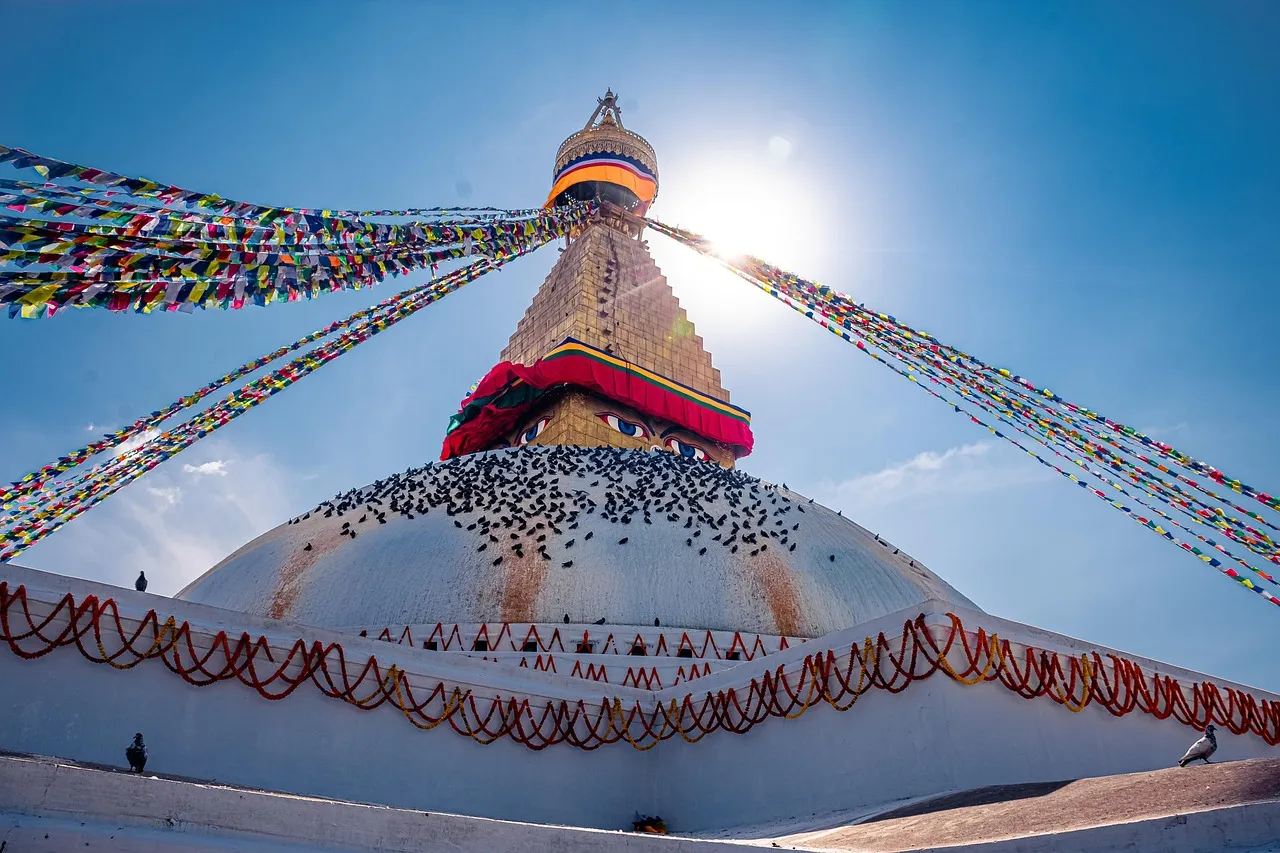
Nepal’s ancient stupas—most famously Boudhanath and Swayambhunath (the Monkey Temple) in the Kathmandu Valley—possess a deeply codified vertical structure representing the five cosmic elements:

  • The Square Plinth (Prithvi / Earth): A stepped, earthbound foundation symbolising stability and the foundation of moral virtue.
  • The Hemispherical Dome (Ap / Water): The whitewashed central mound (the garbha or womb) symbolising fluid compassion and the containment of sacred relics.
  • The Harmika (Tejas / Fire): The square cube crowning the dome, painted on all four sides with the serene, omniscient Buddha Eyes (Wisdom Eyes) watching over the cardinal directions. Between the eyes sits the Nepali number one character (ek), symbolising unity and the non-dual path to enlightenment.
  • The 13-Tiered Spire (Vayu / Air): A conical gilded spire comprising thirteen progressive rings, representing the thirteen spiritual stages or bhumis an aspirant must traverse to achieve Buddhahood.
  • The Parasol and Pinnacle (Akasha / Ether/Space): The crowning umbrella (gajur) symbolising total spiritual liberation and transcendent supreme wisdom.

Visitor Etiquette and Spiritual Traditions

When visiting a sacred stupa in Nepal, observing respectful Buddhist customs demonstrates mindfulness and reverence:

  • Clockwise circumambulation: Always walk around a stupa in a clockwise direction (keeping the monument on your right side). This applies equally to spinning prayer wheels and walking past roadside mani walls.
  • Spinning prayer wheels: Spin copper or brass prayer wheels embossed with the mantra Om Mani Padme Hum clockwise with a gentle, steady motion.
  • Quiet contemplation: Maintain a respectful, hushed demeanor; avoid climbing onto the sacred dome, and seek permission before taking close-up portraits of monks or meditating devotees.

At dusk, walking alongside butter lamps as the soothing scent of juniper incense fills the air around Boudhanath offers travellers one of the most profound spiritual experiences in Asia.

Editorial Verification & Quality Standard

This article was researched, composed, and fact-checked by the Prawaha Editorial Team in accordance with reliable Nepalese tourism and conservation authorities. High-altitude safety information adheres to established Himalayan Rescue Association (HRA) and wilderness medicine guidelines.
Reference Records: Sources: Lumbini Development Trust, Boudhanath Area Development Committee, Buddhist Architecture & Iconography (David Snellgrove).
← Back to Travel Glossary Index
Share this reference:
Experience It in Person

Explore Related Tours & Itineraries

Handcrafted journeys featuring the destinations, terrain, or cultural experiences explained in this guide.

Boudha Stupa
Cultural
Kathmandu

Exploring Kathmandu

Seven UNESCO World Heritage monument zones inside one valley 20 km across, and the arrival point for almost every trip to Nepal. Kathmandu has been continuously settled since the 2nd century BC.

3 Days / 2 Nts • 🏔️ 1,460m Price on Request
Details →
Pokhara - the man made lake
Travellers' Choice
Nepal

Kathmandu, Lumbini & Pokhara Tour

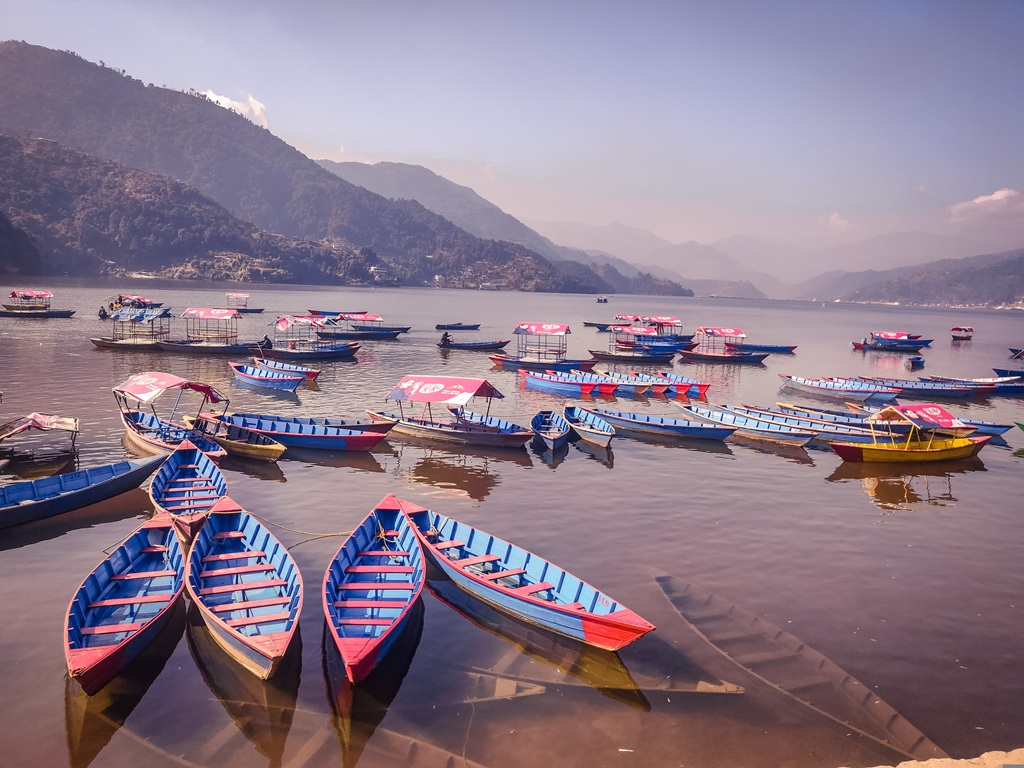
This itinerary provides a deep dive into Nepal’s spiritual and natural wonders, creating a rich and multifaceted travel experience. It is most suited for families, students and time-conscious travelers looking to experience the perfect blend of touring, cultural exploration and relaxing leisurely activities. Note: A domestic flight has been arranged for a more expedient transfer. However, a land transfer can be arranged upon request.

10 Days / 9 Nts • 🏔️ 1,400m Price on Request
Details →
Mount Kailash Manasarovar Yatra
Pilgrimage
Tibet

Mount Kailash Manasarovar Yatra

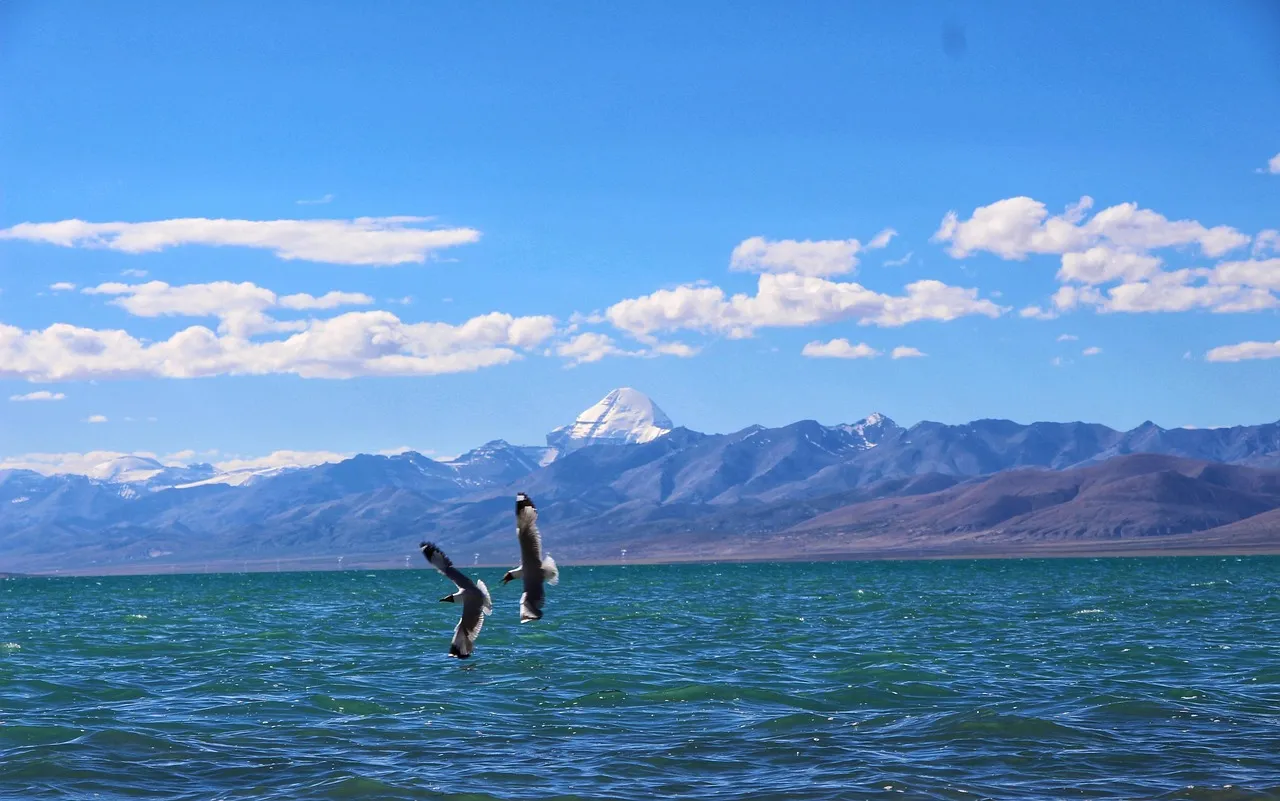
Known as the Roof of the World, Tibet has long captured the imagination of travellers with its immense landscapes, ancient traditions and powerful spiritual heritage.High above the rest of Asia, the Tibetan Plateau stretches across a vast landscape of mountains, valleys, lakes and remote wilderness. Its high-altitude environment supports unique wildlife and feeds some of Asia's great rivers, making the region important far beyond its borders.Tibet is also deeply connected to Buddhist culture and pilgrimage. Ancient monasteries, prayer flags and centuries-old traditions can be found throughout the region, while Mount Kailash remains one of the most revered pilgrimage sites for several religions.Beyond its landscapes and spiritual significance, Tibet is shaped by the people who call this challenging environment home. Their traditions, resilience and way of life are an important part of what makes travelling through the region so memorable.For travellers seeking something beyond the usual Himalayan routes, Tibet offers a remarkable combination of high-altitude wilderness, ancient culture, spirituality and extraordinary mountain scenery.

12 Days / 11 Nts • 🏔️ 4,800m Price on Request
Details →
In-Depth Travel Resources

Helpful Travel Guides & Regulations

Practical information, official permits, equipment checklists, and ethical guidelines for your Nepal trip.

Related Glossary Topics

Deepen your travel knowledge with interconnected mountain and cultural concepts.

Plan Your Custom Journey

Ready to explore Nepal with local experts?

Prawaha Tours designs private and small-group journeys tailored to your fitness level, schedule, and interests—with verified safety protocols and licensed local guides.

Compare Packages (0/3):